digital MARKETING – WHAT IS IT AND WHERE IS IT GOING?
Let’s first define digital marketing as referenced by Lucy Alexander on hubspot who claims digital marketing is the process of leveraging digital channels to engage with prospective future customers. The purpose of this blog will be to investigate how digital marketing is being implemented now and what is in store for the future!
With the digitisation of this modern era, it is becoming increasingly important for companies to develop an online presence. According to smartinsights , firms are using online channels such as digital devices, digital technology and digital platforms to engage with their customers. For example, the Collingwood Football Club uses their Instagram account to interact with supporters by posting score updates, match fixtures and other customer engaging content collingwood_fc . As it stands now, digital marketing is on the rise as organisations continue to establish themselves in the online domain.
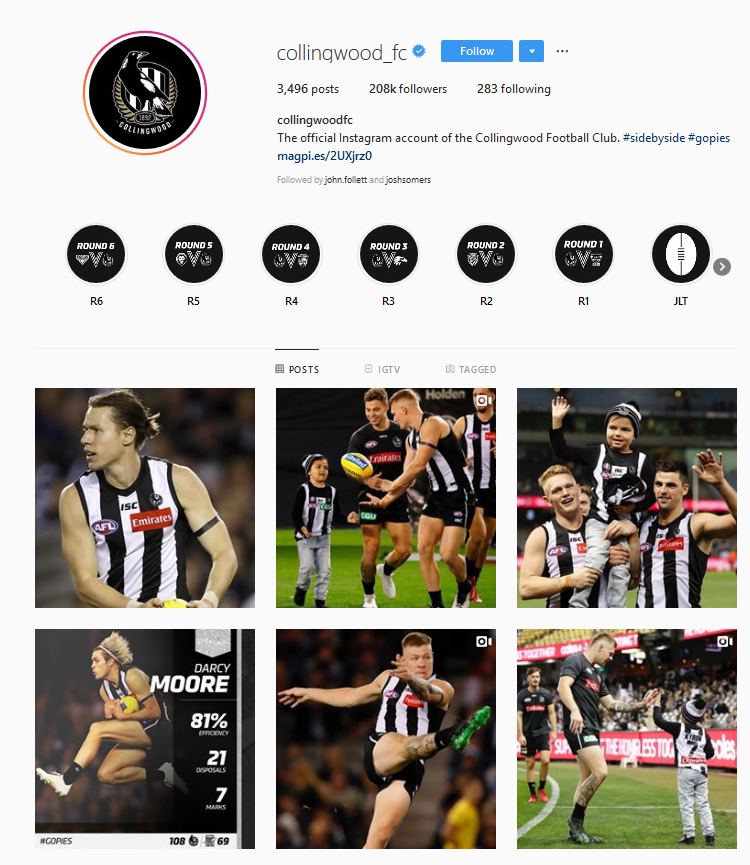
Source: collingwood_fc
Now let’s look through the digital marketing crystal ball and assess where it is heading. Kristen Herhold contends that 99% of businesses will look to increase investment in at least one digital channel over the course of this year, indicating the increasing importance firms are placing on digital marketing business2community. An interesting article by bandtsuggests that ‘customer obsession’ is in store for future digital marketing practices as companies focus on perfecting the understanding of their target audience. Therefore, a greater emphasis on tapping into consumer behavior online seems to be the future of digital marketing.
optimising the finish line
Adding to cart, we’ve all done it when shopping online but how much do we really think about the strategic implementation of the feature? In this blog I want to dissect some ideas about how e-commerce businesses can optimise the potential profitability of the add to cart feature and then see what you guys think!
First up let’s clear up what the add to cart function is for the traditional brix and mortar shoppers. ask define it as compiling a temporary digital shopping list of selected items that you can proceed to purchase at the checkout stage. Different websites obviously vary in their formatting of this feature but what I want to know is how do marketers make the add to cart part of the customer journey more profitable?
One possible method proposed by shoprocket is to implement A/B testing whereby brands try and optimise their conversion rates by presenting customers with two different add to cart designs and then assessing which was more profitable over a period of time.
In my opinion, the design of the add to cart page needs to keep consumers engaged in the online shopping experience by offering extra related goods or impulse purchase goods. Refer to the two images below that display an add to cart page with and without extra offerings featured.
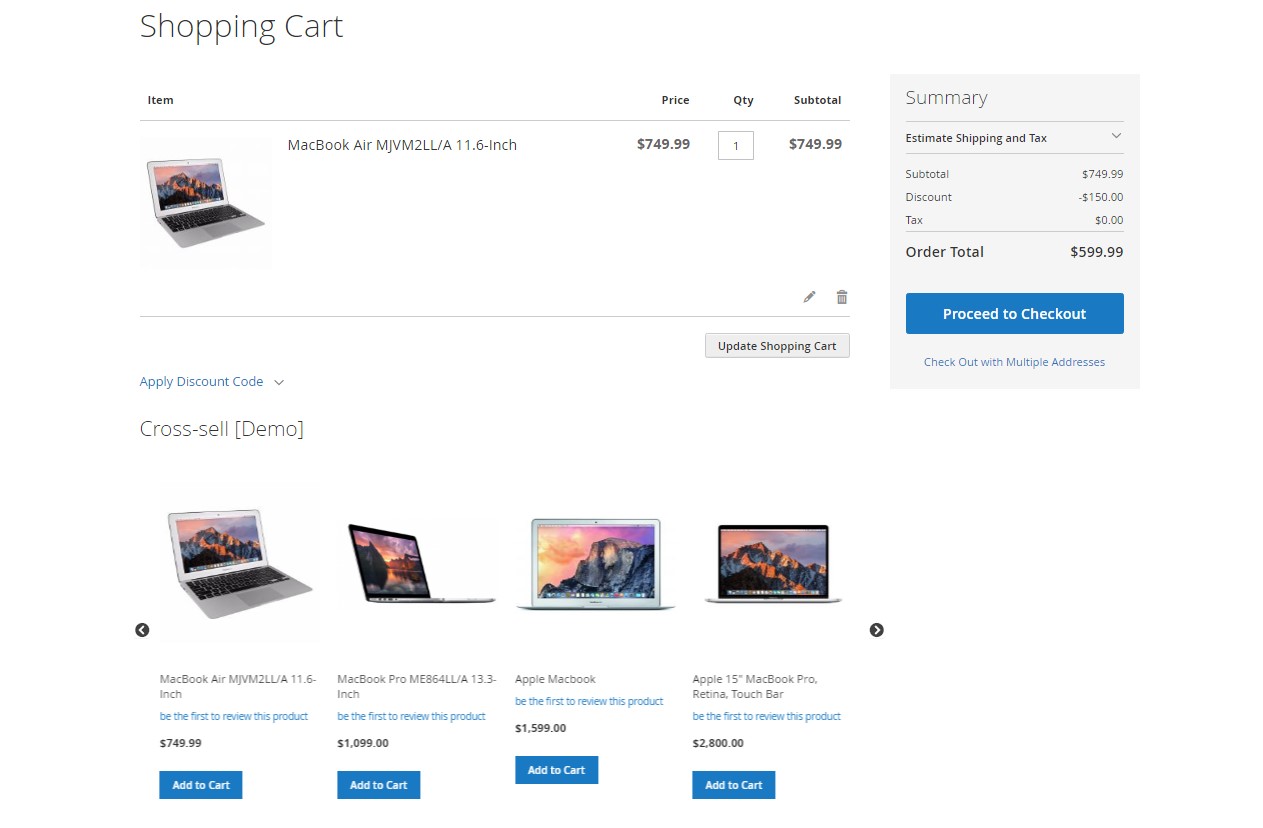
Source: mageplaza
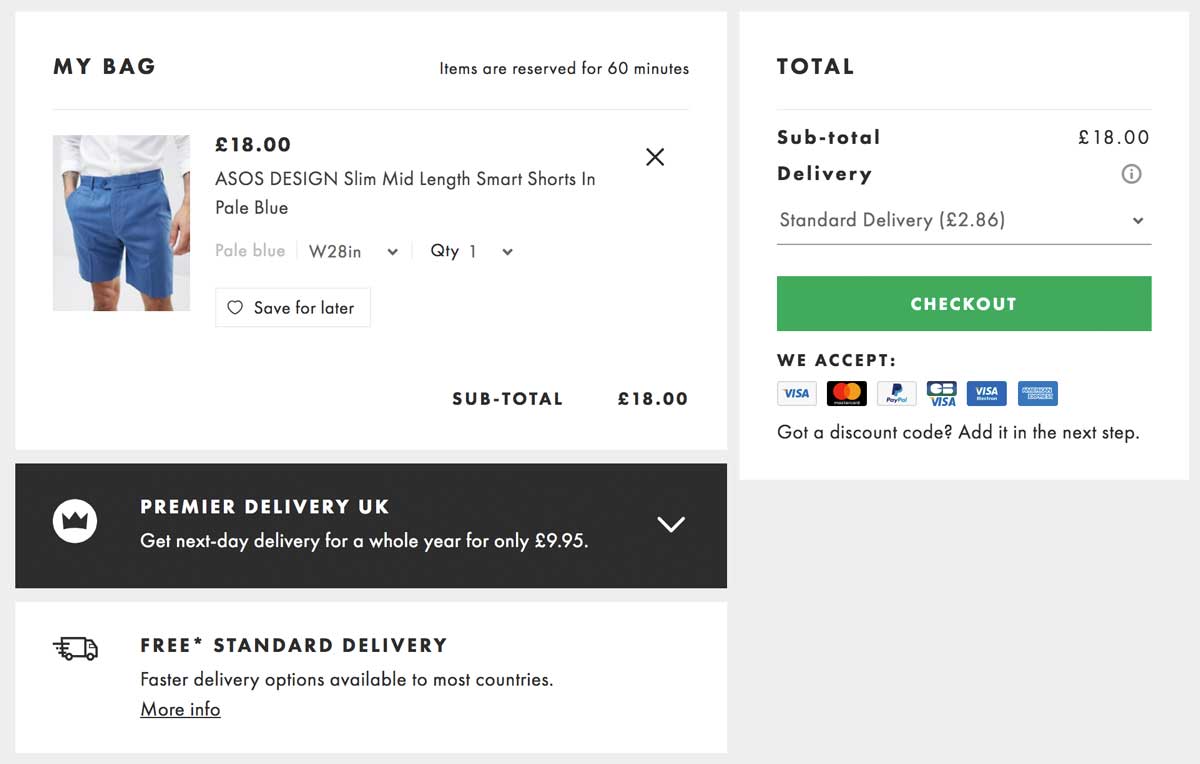
Source: abtasty
Although the traditional add to cart design attempts to up sell for premium delivery service, I still believe that featuring extra related product offerings is a more viable option to increase profits because it keeps the consumer shopping for more. Let me know what you guys think, should online businesses focus more attention on optimising the add to cart page?
 Digi Blog